What a board game teaches us about equity and clean energy
Voices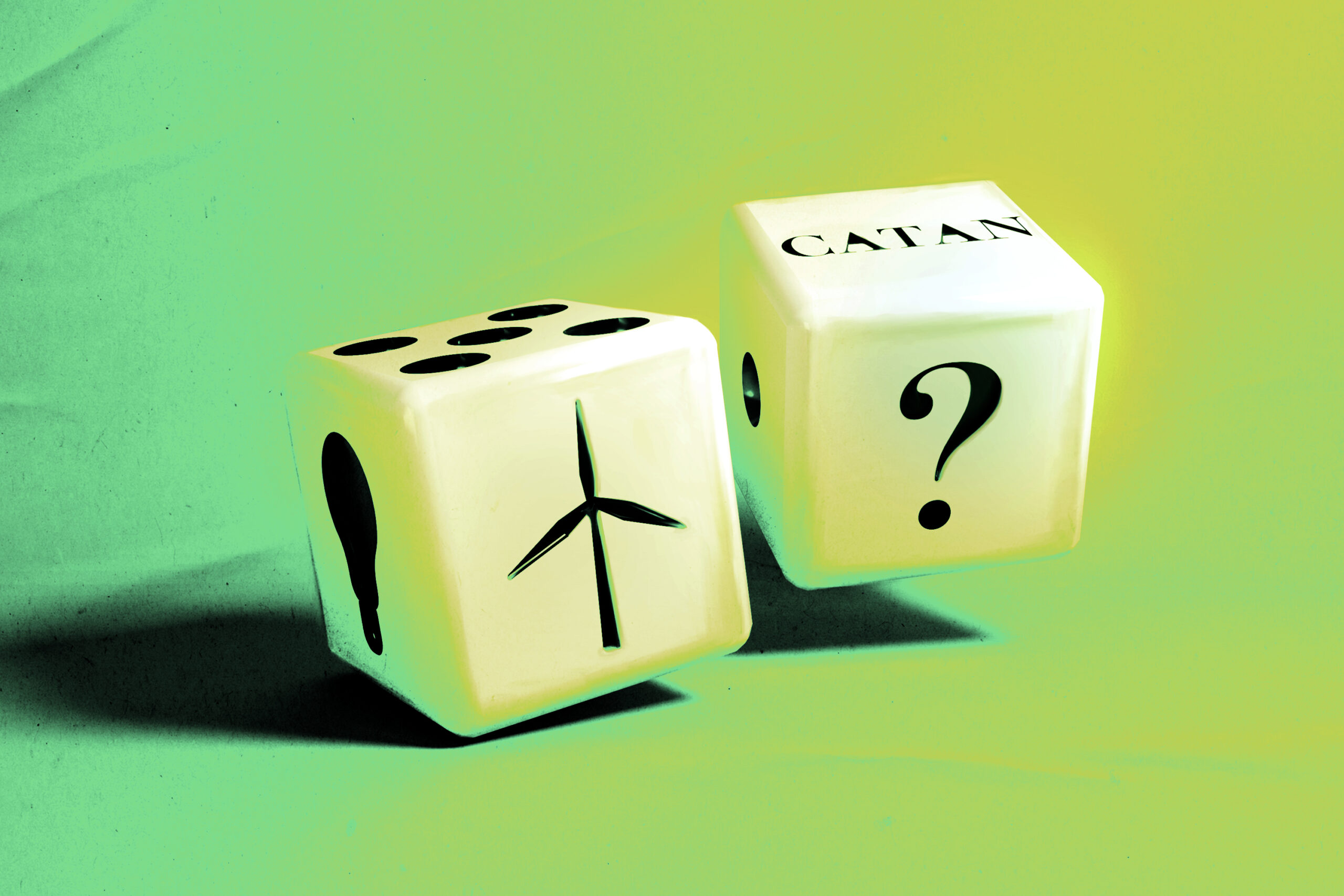
Settlers of Catan, the beloved board game that includes special Game of Thrones and outer space editions, has a newer variation you might not expect: clean energy. Game night in my house now often consists of building power plants, prioritizing renewables over fossil fuels and weighing environmental consequences on communities.
Unlike past versions of the game, which were focused almost entirely on growth, Catan: New Energies requires players to examine the consequences of expansion.
Players must strategically manage both traditional resources (lumber and brick) along with new resources (natural fiber, food and steel). Players can build wind turbines, solar farms and hydroelectric facilities alongside traditional settlements and cities to generate “energy points” for an efficient grid. Meanwhile, storms or weather conditions introduce variability, making long-term planning crucial for victory.
Players who set their fictional communities up for sustainability, efficiency and resiliency are poised to win — a perfect reflection of the challenge we face in the real world with much greater stakes.
In the game, a global environmental footprint tracks climate impacts from one player’s communities to others on the board, reflecting how the climate affects everyone in the real world. In this game, too much pollution can lead to catastrophe — and a loss.
Playing Catan: New Energies is reminiscent of other long-popular boardgames based on the real world, like Monopoly and Life, which are still in circulation and a staple of holiday gift-giving.
But the real-world counterpart to Catan: New Energies is devastating. Nearly half a million people are dying tragically each year in heat waves and droughts, like those in my home country of India, and tens of millions of climate refugees have been driven out of stressed cities and settlements. In real life, the populations doing the least to contribute to climate change often suffer its worst consequences.
The game also captures the paradox of expanding energy use while trying to keep emissions down. As they seek expansion, players are penalized for putting fossil fuel plants close to their communities. It’s a subtle reflection of the damage fossil fuel plants cause real-world neighborhoods, especially as they’re typically located near lower-income communities.
On the other hand, renewable energy is a winning resource for both gameplayers and (real) society. Actual renewables developers often provide jobs, economic growth opportunities and education programs without the negatives of pollution.
But the game imparts another important lesson that’s true in the real-world energy transition as well: it’s not just about producing clean energy. We need to rethink our energy system itself.
Approaching the game holistically — by investing in renewable energy, avoiding pollution events and building out strategically — typically gets players enough points to win. Such an approach should also produce similar triumphs in real-world applications.
In real life, we have resources at our disposal that couldn’t be captured in a game. Corporate sustainability commitments set us up for net zero even as policy players change. Eliminating emissions throughout the entire supply chain will ensure these commitments are met. A circular economy where more and more materials are recycled creates millions of jobs worldwide and drives down production emissions. There’s a future where everyone wins.
We could all learn something from the overarching tactics of the game: rely on renewables and foster clean, equitable communities through strategic growth. But unlike the fictional world in Catan: New Energies, we don’t have the luxury of starting our game over. There are real, human lives at stake. A comprehensive but strategic and measured approach will ensure we don’t lose.