Solar power is transforming Pakistan
Latest News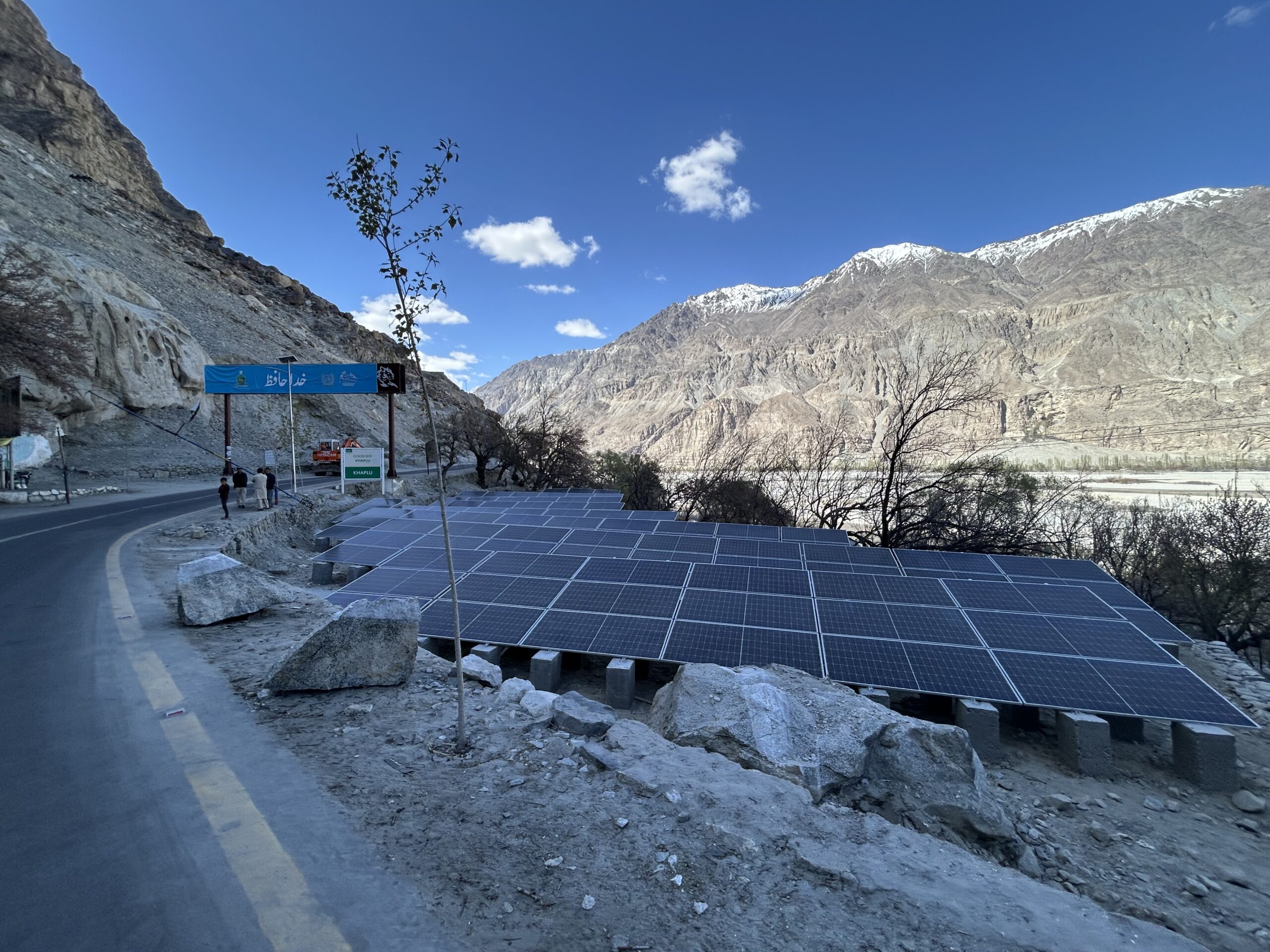
KARACHI, Pakistan — Zahir Shah, a driver who works in a posh neighborhood here, was fed up. With nearly half his monthly salary going toward electricity bills, in April he used his savings to buy a solar panel and small battery to power his modest one-room home. It cut his bill in half.
Shah is one of many Pakistanis turning to cheap Chinese solar panels to escape exorbitantly high electricity bills and the power outages common across the country’s fossil fuel-dominated grid.
In tiny hamlets nestled among towering mountains, along the sandy coastline of the Arabian sea, in the gritty congested cities of Karachi and Lahore and across dusty fertile plains in between, solar panels are everywhere. They power tubewells at farms and crown rooftops at shops, factories, office buildings, schools, homes, gas stations and more.
Solar’s use has become as ubiquitous as cell phones in Pakistan, said Waqas Moosa, head of the Pakistan Solar Association and co-founder of Lahore-based Hadron Solar.
“It is now even being considered in some villages as an essential item in dowries along with television, furniture and fridges,” he added.
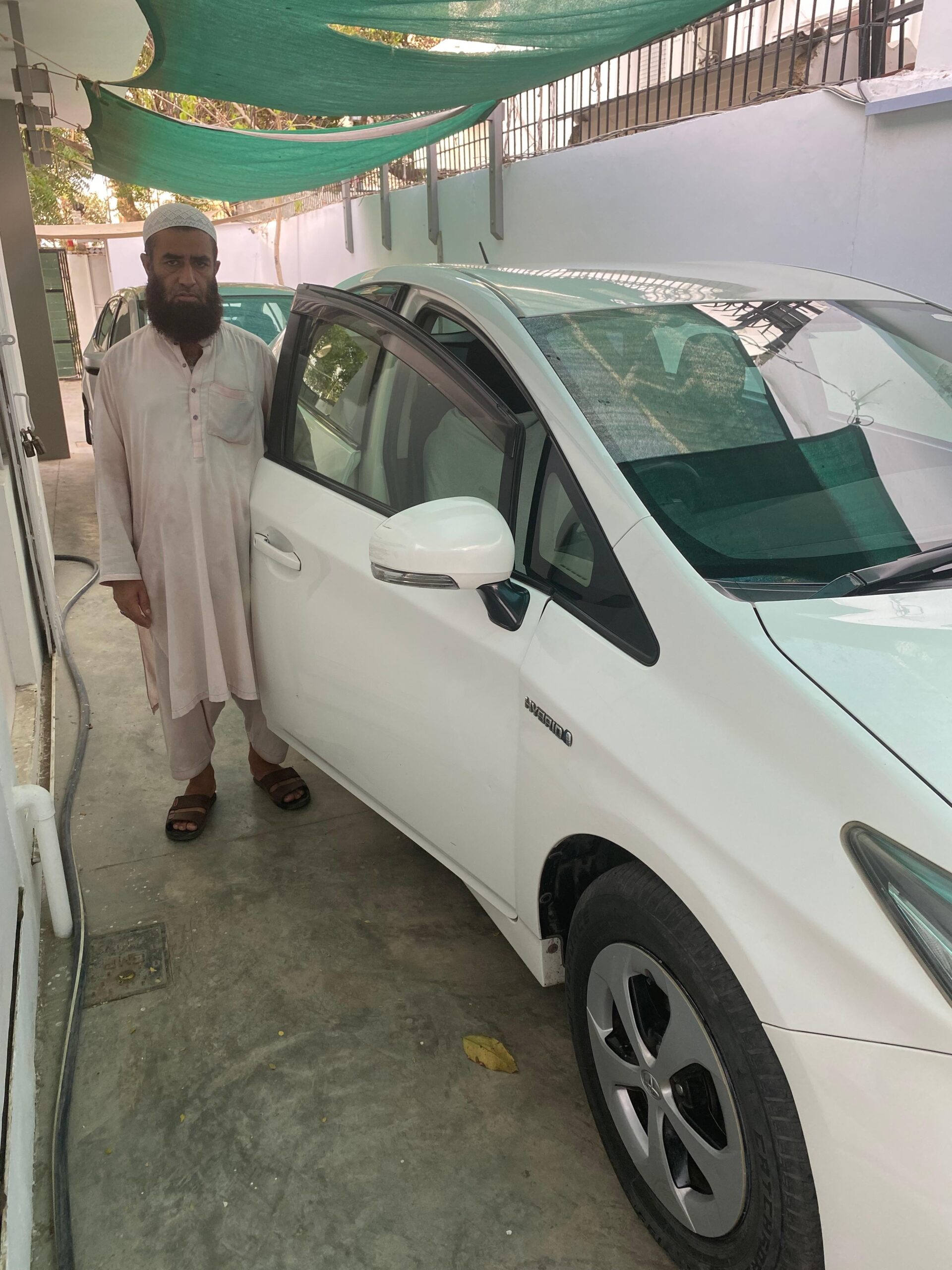
Driver Zahir Shah stands next to his employer’s car in Karachi. He recently saved up to buy himself a solar panel and a battery. Photo by Sadia Muzaffar.
The potential impact of this solar revolution is huge. Once viewed as a luxury item for Pakistan’s wealthy, solar energy is being adopted across nearly all income levels as a practical and economical solution to the country’s deepening energy crisis.
Abundantly cheap, clean electricity is breaking down income barriers here, empowering some of Pakistan’s least privileged groups with new opportunities, comfort and — potentially — more disposable income. To be sure, the poorest Pakistanis can’t afford even the cheapest solar panels, but the technology’s broad adoption sets Pakistan apart from other developing countries like South Africa and Namibia, where solar is also widespread, but is mostly only accessible to companies and affluent households.
“Every small town, village or farmhouse, however remote, is using solar,” said Tariq Nasir, a partner with the Karachi-based Vellani and Vellani law firm. “The transformation is massive,” he added.
But there is a downside: the explosive growth of solar has also unleashed a spiral of economic pain on the nation’s energy infrastructure, which is struggling to manage the growing surge of clean energy.
Pakistan power
Pakistan’s electricity grid has long been dominated by fossil fuels — largely natural gas — as well as nuclear and hydro power, according to the International Energy Agency.
That holds true today. Solar and wind currently provide a fraction of the grid’s power, about 4%, or roughly six gigawatts, said Rabia Babar, data manager for Renewables First. But there is nearly two or three times as much solar in Pakistan that isn’t connected to the grid or part of the net-metered program.
The government initially encouraged solar through a “net metering” policy, allowing customers to sell their excess power back to the grid at generous rates. But those customers often go off grid during the day to generate power for their own use, according to Haneea Isaad, energy finance specialist with the Institute of Energy Economics and Financial Analysis. When those users go off grid, the government loses revenue.
And when users reduce their reliance on the power grid, electricity prices rise, said Isaad. Electricity bills already were high in Pakistan because of high liquefied natural gas prices and pressure to pay back some of the country’s debt, among other factors.
An attempt to slash the rate consumers receive through net metering was met with protests and shelved in April. Pakistan Power Minister Awais Leghari has recently been meeting with the Pakistan Solar Association and other industrial and commercial solar users to reach an agreement on revised rates.
On top of that, the Pakistani government has contracts with private companies, including several Chinese firms, that require fixed payments to the 104 power plants in the country running on coal, oil, natural gas and nuclear energy — no matter how much electricity a plant generates, attorney Nasir said.
All of which means Pakistan can’t pay all of its bills or invest in transmission infrastructure improvements.
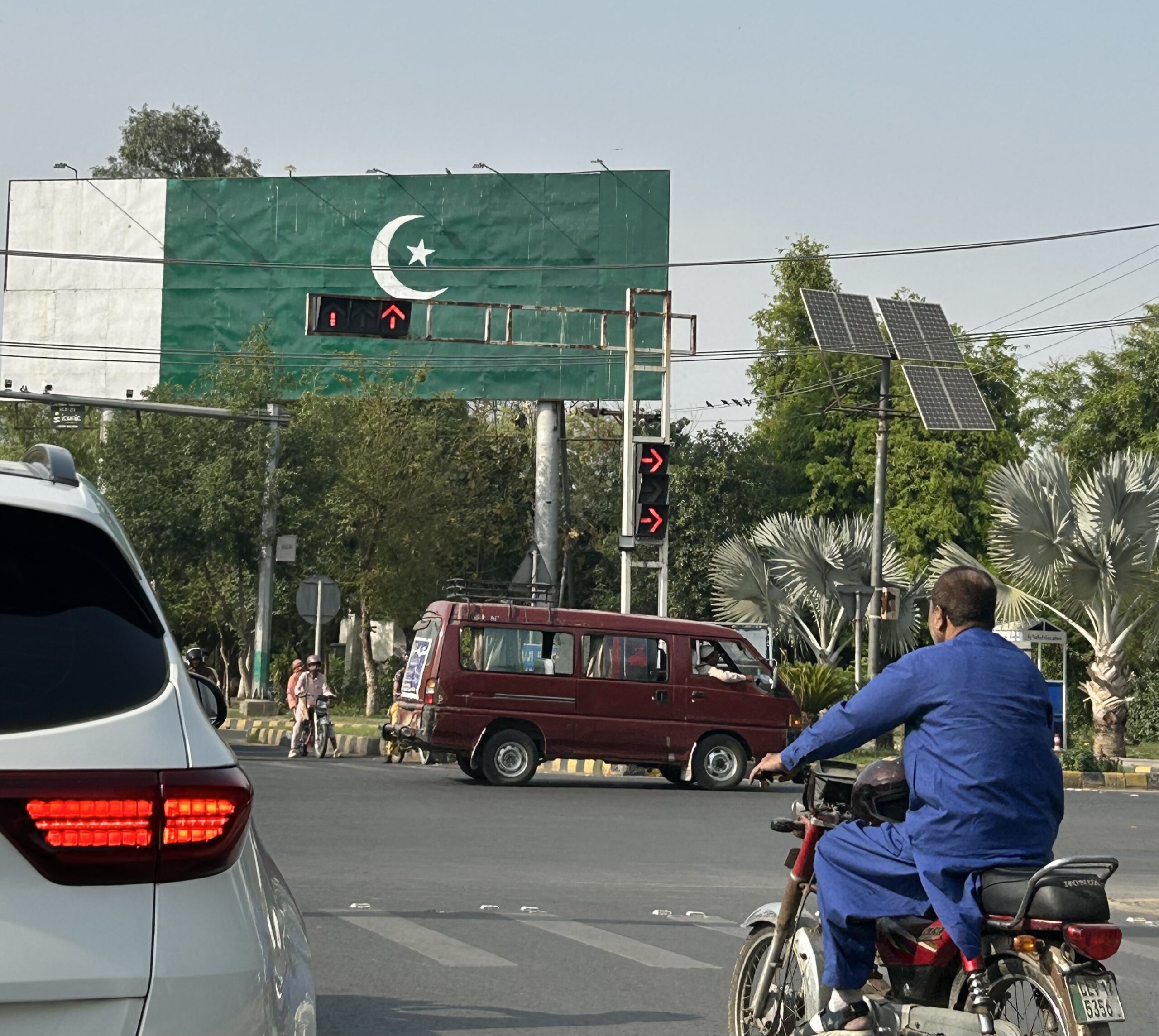
Motorcyclists and cars whiz past a solar-powered traffic light beside the Polo Ground Park in Lahore Cantt. Photo by Amena H. Saiyid.
Isaad calls this situation Pakistan’s version of a “utility death spiral.” Similar challenges are either looming or already present around the world, including in South Africa, California and Australia.
What’s more, Pakistan’s grid is notoriously unreliable for a number of reasons, including aging transmission infrastructure, widespread theft of electricity and an inefficient distribution network. A surge of consumers switching to grid power when the sun goes down only adds to the strain.
The result could be dire. Among the most climate-vulnerable nations, Pakistan desperately needs affordable and reliable electricity to protect its citizens from increasingly frequent extreme weather events, like the heat waves the country endured in April and May.
But without solar panels, most poor people struggle to pay electricity bills from just using fans, let alone air conditioning (already one of the leading causes of increased power demand across the world, particularly in hot climates like Pakistan).
People power
Pakistanis are embracing cheap solar because “energy bills are crippling them,” said Pakistan Senator Sherry Rehman, who heads the Senate task force on climate and environment in Islamabad.
China has invested heavily in solar and sells panels at low cost around the globe, with tariff-free countries like Pakistan a prime target.
Shah, the Karachi driver, spent the equivalent of $35 USD for his one solar panel and battery, which are off grid. His employers, Mahir and Sadia Muzaffar, have been selling excess solar energy from more than 50 panels through the net metering program for the past six years.
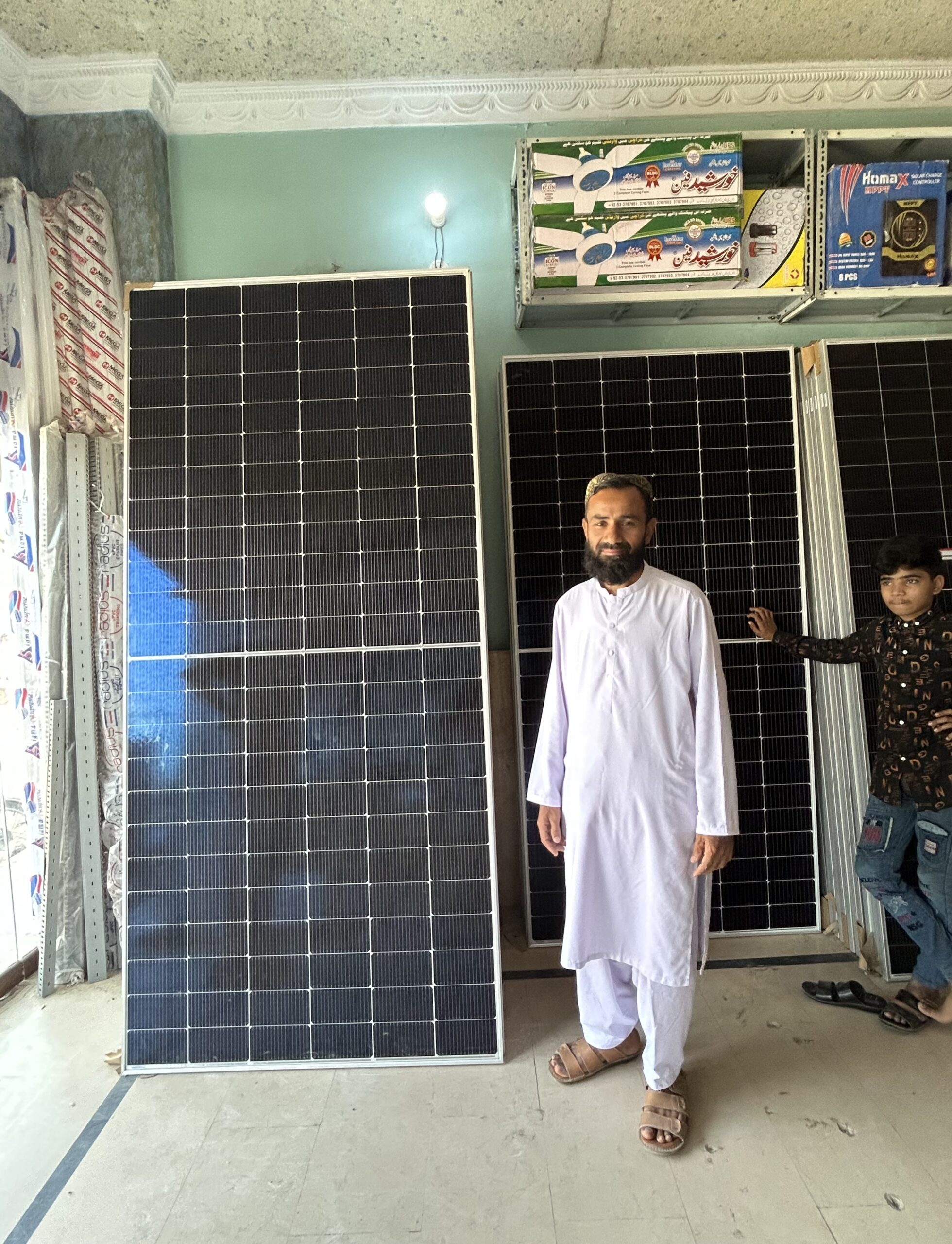
Near Karachi’s bustling port, Eman Solar Energy proprietor Ramzan Bhattai displays the stacks of solar panels that he says remain in high demand. Photo by Amena H. Saiyid.
At schools in Pakistan’s remote mountainous areas, meanwhile, solar panels are making all the difference.
“Our students couldn’t complete their assignments because the power kept going out,” said Sikandar Husain, principal of the Nar Community School in Skardu Valley, which got solar panels with help from the nonprofit Braldu Valley Foundation.
In cities, Chinese solar panels are widely sold. Resha Jan, owner of Shafiq Hardware Store near Karachi’s Port Qasim, told Cipher he can barely keep up with demand. He ordered 30 to 40 panels in early March and they sold out in just 15 days.
Seated in the nation’s capital of Islamabad, Leghari gushed about the public’s ability to purchase cheap Chinese solar panels without paying duties.
“I don’t think we could have seen a better example of the democratization of this technology,” Leghari told Cipher.
When asked if Pakistan’s reliance on Chinese solar is hurting its domestic manufacturing sector, Leghari said the role of the government is to “remove obstacles stifling growth.”
The path to future power
Pakistan imported about 17 gigawatts of Chinese solar panels in 2024, twice as many as the year before, making it one of the world’s largest markets for new solar installations, according to clean energy think tank Ember.
Leghari is acutely aware of the problems posed by off-grid solar adoption but said he must tread a fine line between enabling widespread solar use and supporting Pakistan’s grid, both by retaining paying customers and improving reliability.
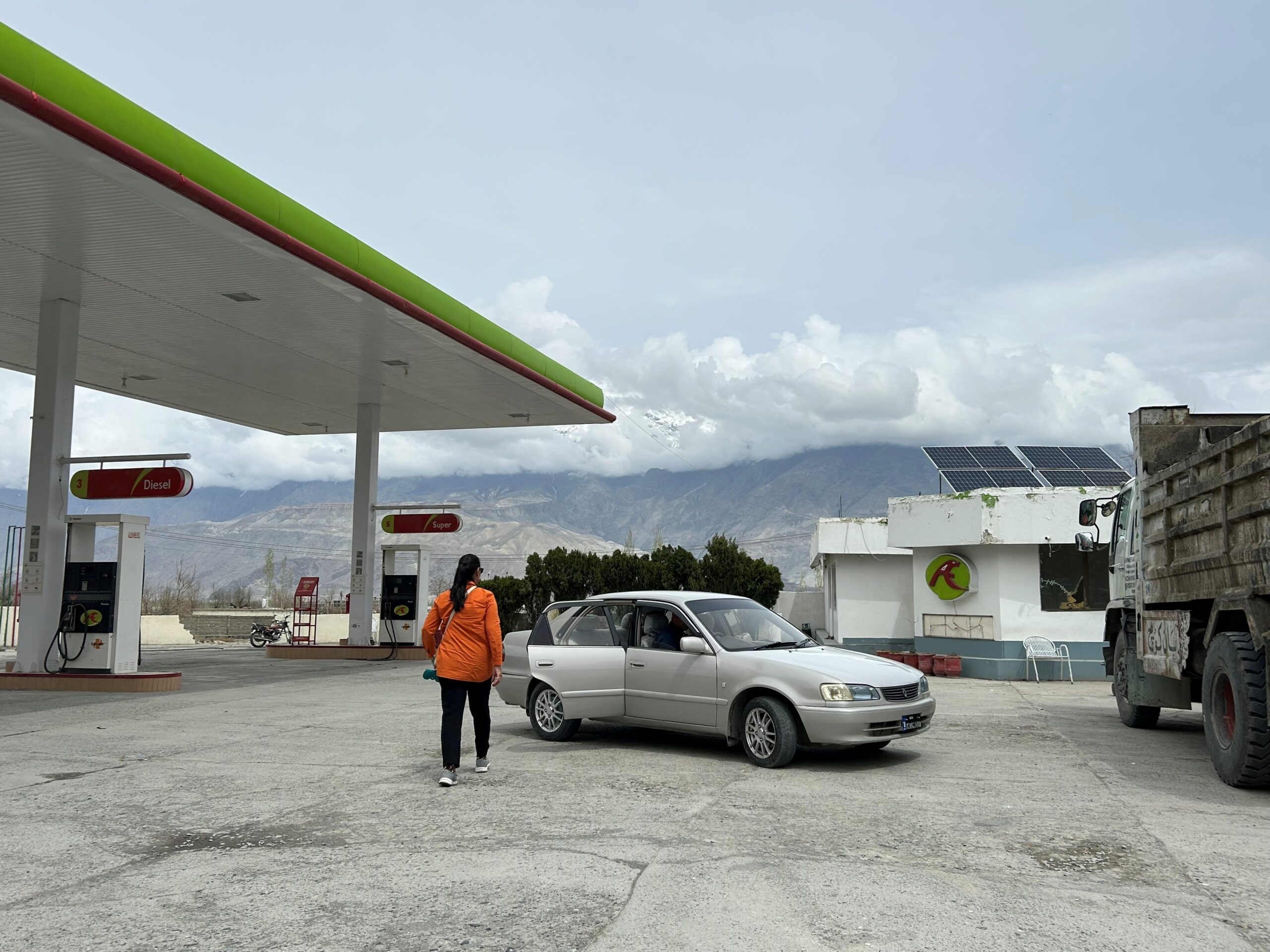
Solar panels power a PSO gas station in Skardu, Pakistan. Photo by Amena H. Saiyid.
Boosting electricity demand could help. Widespread electrification of the transport sector, for example, would expand the grid’s customer base, suggests Renewables First program director Mustafa Amjad.
Others have a dimmer outlook for Pakistan’s fragile grid, like Hadron Solar’s Moosa. He projects the potential demise of Pakistan’s grid over the next decade as batteries become widely used to store excess solar energy. Chinese batteries are seeing sharp price declines worldwide and are beginning to enter Pakistani markets.
“Just like mobile phones made landlines irrelevant,” Moosa said, “solar and batteries will make the grid irrelevant.”