In Wisconsin, I saw how the global energy transition is a local challenge
Reporter's Notebook
WISCONSIN RAPIDS, Wisconsin — Making a big global transition from fossil fuel power to clean energy is going to require a whole lot of careful, patient communication and education on the local level. And that will take time —individual by individual, community by community.
This thought keeps rolling around in the back of my mind after traveling to Wisconsin to see how solar fields get built and wind turbine generators are made in the state.
Shortly after returning from what is often called the cheese capital of the world, I listened to a conference call hosted by officials from the Biden administration about new federal investments to build transmission lines. As with constructing solar fields, transmission lines require land.
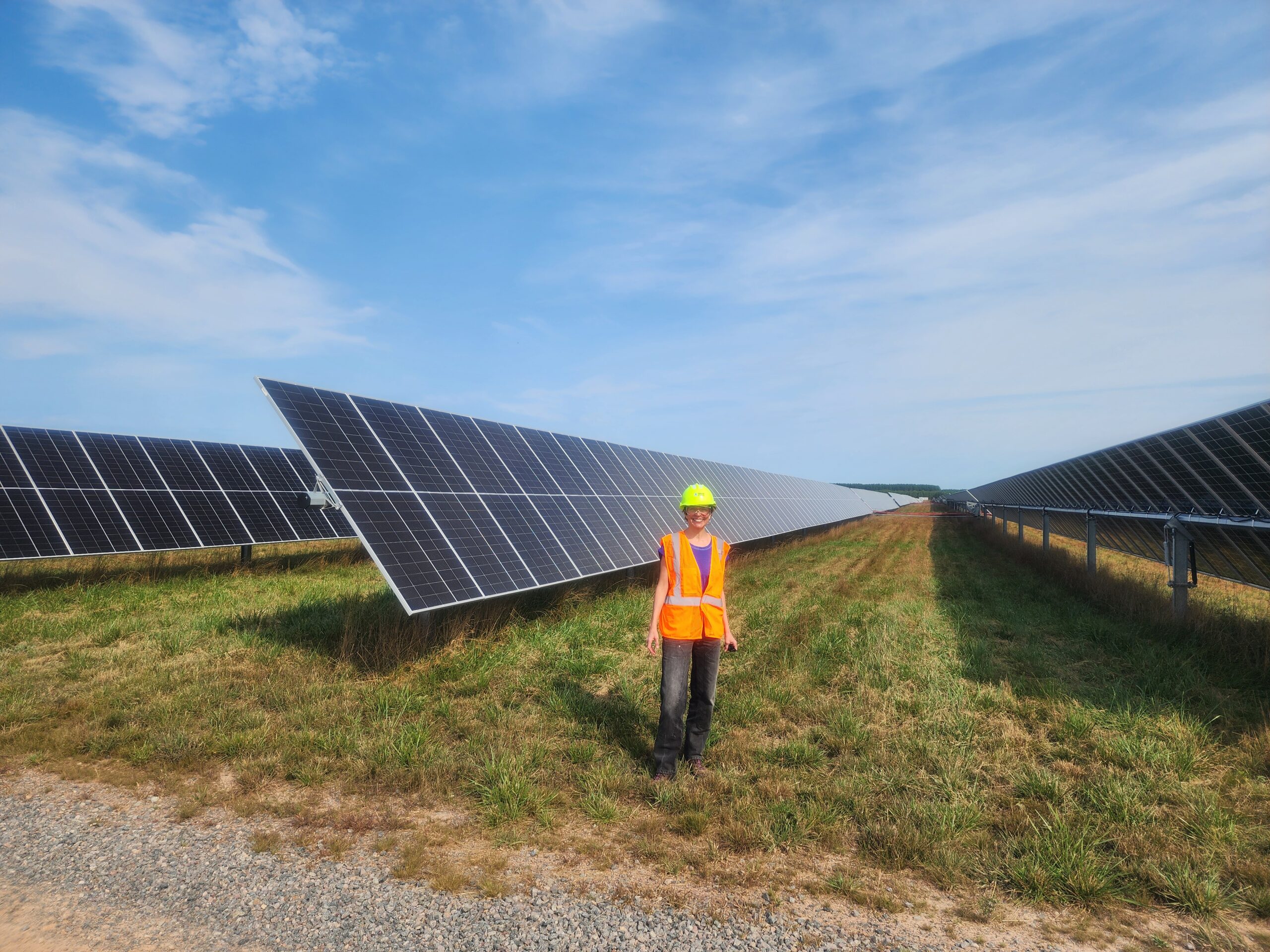
Cipher News reporter Cat Clifford at the Wood County Solar field outside of Wisconsin Rapids in the township of Saratoga in Wisconsin. Photo courtesy Cat Clifford, Cipher News, taken in September 2024.
“The truth is, if we can’t build critical clean energy projects through a few backyards, then the climate crisis will wreak havoc on everyone’s backyard,” John Podesta, senior advisor to the president for clean energy innovation and implementation, said on the call.
I know Podesta is correct. I also saw so clearly during my Wisconsin visit how much effort, education and compromise it takes to build clean energy “through a few backyards.”
The owners of those backyards care about their home community — understandably so! — and they may not know much about solar panels.
When Alliant Energy was looking to build a solar field in the township of Saratoga, residents had many questions, Bill Leichtnam, a Wood County board supervisor who lives on property bordering the project, told me.
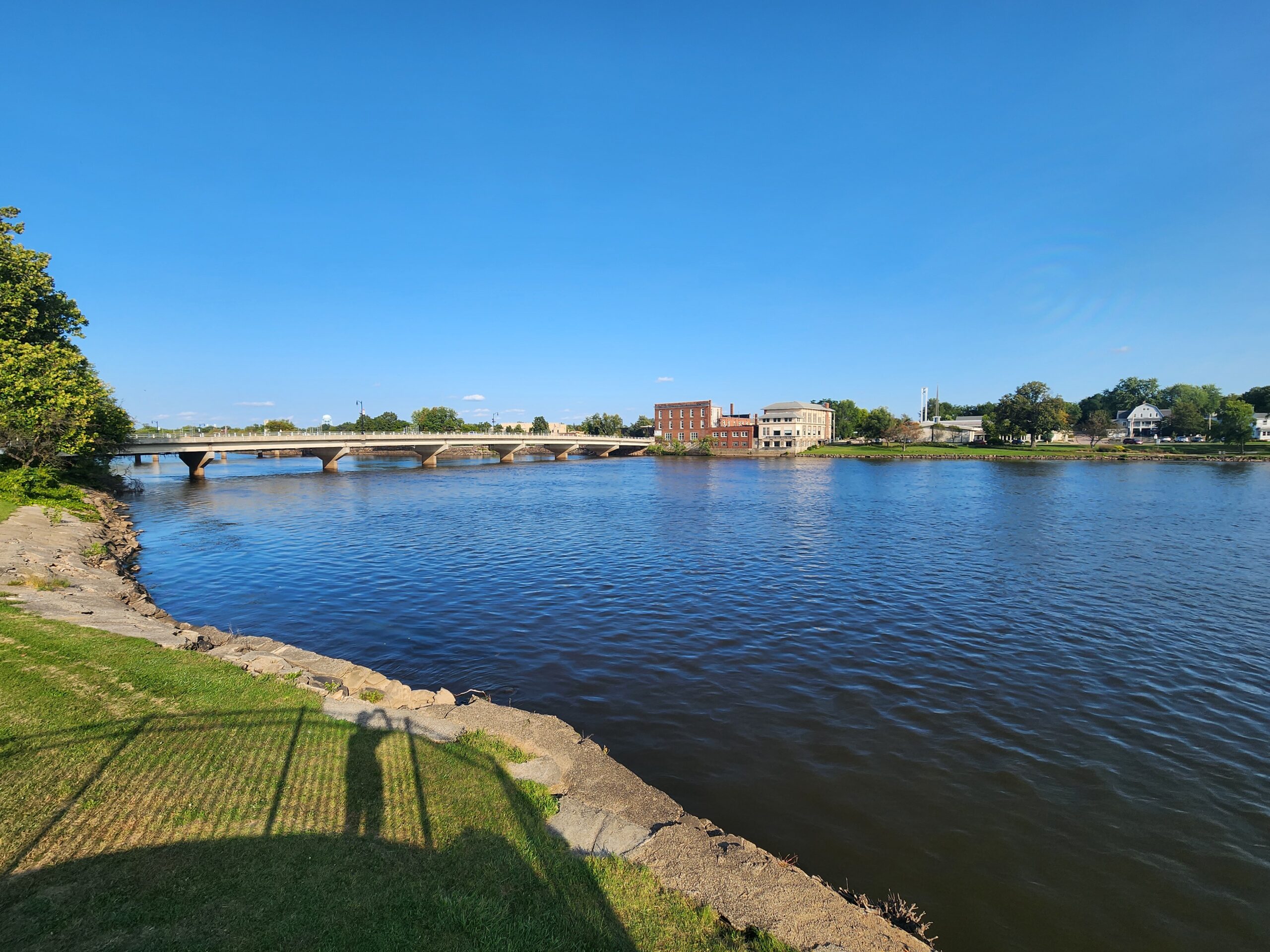
Downtown Wisconsin Rapids, Wisconsin, the largest town near the Wood County Solar project. Photo credit: Cat Clifford, Cipher News, taken in September 2024.
Questions ranged from: “Are we going to be able to snowmobile through the project? Are there going to be trails?” to “Will there be a heat island” where the solar farm is constructed? Another concern was whether the firefighters and EMT would be able to handle a potential fire at the battery facility next to the solar field.
At community meetings, residents asked their questions. One at a time, they got their answers.
“The more they heard, the more they said, ‘This is not a threat to us. This is a good thing,” Leichtnam said.
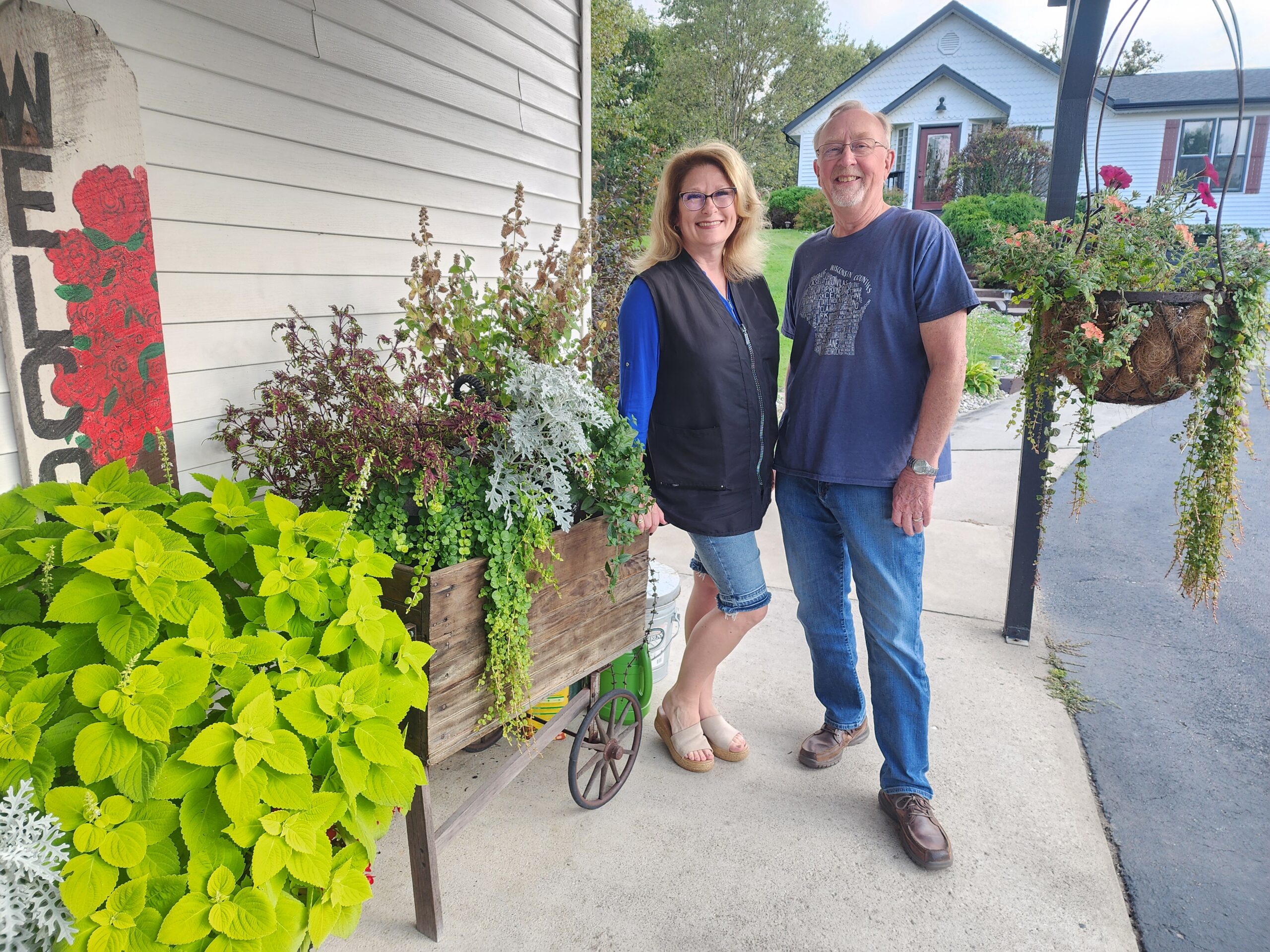
Rhonda Carrell, a resident of Saratoga, Wisconsin and a former member of the Saratoga town board, and her neighbor, Bill Leichtnam, a Wood County Board Supervisor who lives on the west side of the Wood County Solar project. Photo credit: Cat Clifford, Cipher News, taken in September 2024.
The solar field did get built. The battery array is under construction.
That is as much a technical success as it is a result of communication and education. I was encouraged to see the conversations worked, and I am empathetic to residents being protective of their local communities. Of course they are! It’s their home.
But at the same time, I worry: We’re learning to scale solar panel and battery manufacturing — but we have a long way to go when it comes to scaling education about this type of cleantech and more.