In rural India, this reporter saw two sides of the country’s energy transition
Reporter's Notebook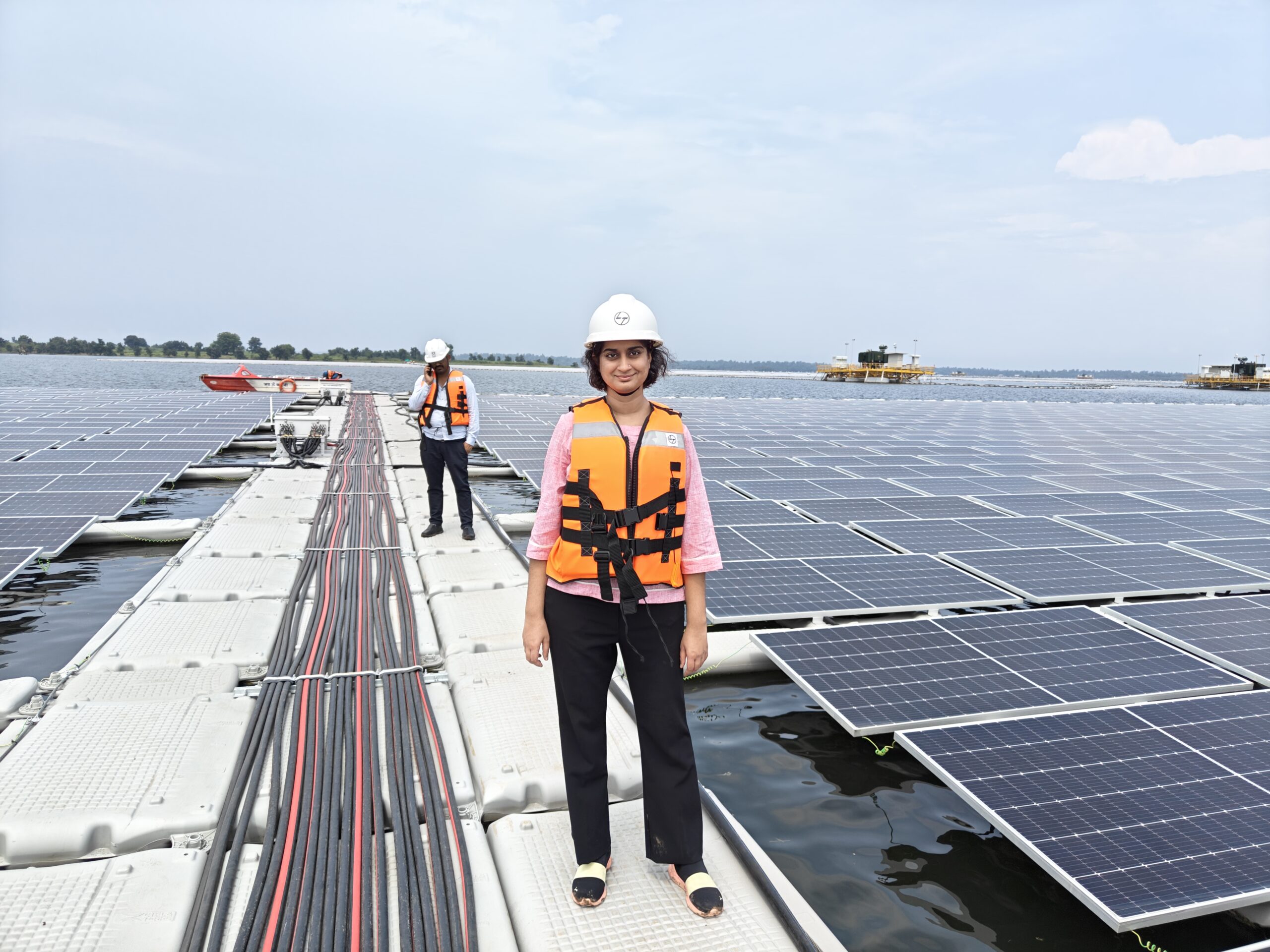
EKHAND, Madhya Pradesh — When I started working on my series of floating solar energy stories, I assumed that, unlike land-based solar projects, this technology would not really affect rural communities. I expected to solely focus on the technological challenges involved in building and maintaining floating solar power plants.
Right before I traveled to Central India from Mumbai to report the story, I had to cast aside that assumption. Over the phone, my sources informed me that the country’s largest floating solar project had resulted in communities nearby losing their main source of income as a major section of the lake had been closed to fishing because of the floating solar panels.
This reporting trip turned out to be simultaneously awe-inspiring and an example of how a project that helps address one problem – like greenhouse gas emissions – can have unforeseen consequences.
After a quick flight to Indore, known as India’s cleanest city, I took a nearly four-hour cab ride to reach one of the rural areas surrounding the floating solar project. The contrast between the city and countryside was stark: I went from seeing busy streets full of three-wheeler electric vehicles and brand-new charging stations to expansive landscapes of tall trees with occasional sightings of monkeys interspersed with countless agricultural fields.
At first, I felt unsafe as a solo woman in a sparsely populated rural area where the locals eyed me suspiciously. My source, who is a local social activist, introduced me to over 30 fisher people during a meeting held at his office. After listening to their discussions on how they plan to put their demands forward to the authorities, I accompanied the group of fisher people to Ekhand village.
They immediately opened up, expressing fury over losing their main source of income. After a few hours with them, I watched their anger dissipate into grief and sorrow. They had hoped to become a part of India’s energy transition; instead, they felt left behind.
The next day, I visited the newly constructed floating solar plants that have become a source of immense national pride despite the impact on local communities.
As far as my eyes could see, I was surrounded by rows and rows of solar panels bobbing on the surface of the artificial lake. It was a surreal experience, like watching a scene from a science fiction movie.
I was amazed by how the engineers had successfully built the floating solar plants despite repeated climate change-induced storms wreaking havoc on their installations. The project has also experienced at least one theft of copper wires from its cable lines, which frustrated project leaders blamed on locals who they said swam out to the panels at night to steal the valuable metal.
At the same time, I couldn’t stop thinking about the devastated fishing communities. This reporting trip taught me that the only way India can reduce its reliance on coal is by ensuring its green energy transition is executed in a just and equitable manner.
A few months after my visit, India accomplished a major milestone: as of January 31, 2025, the country had installed a little over 100 gigawatts of solar capacity — for comparison, that is about the same as the entire installed capacity of the United Kingdom’s power grid.