Europe rushes to boost cleantech as US gives sector the cold shoulder
Latest News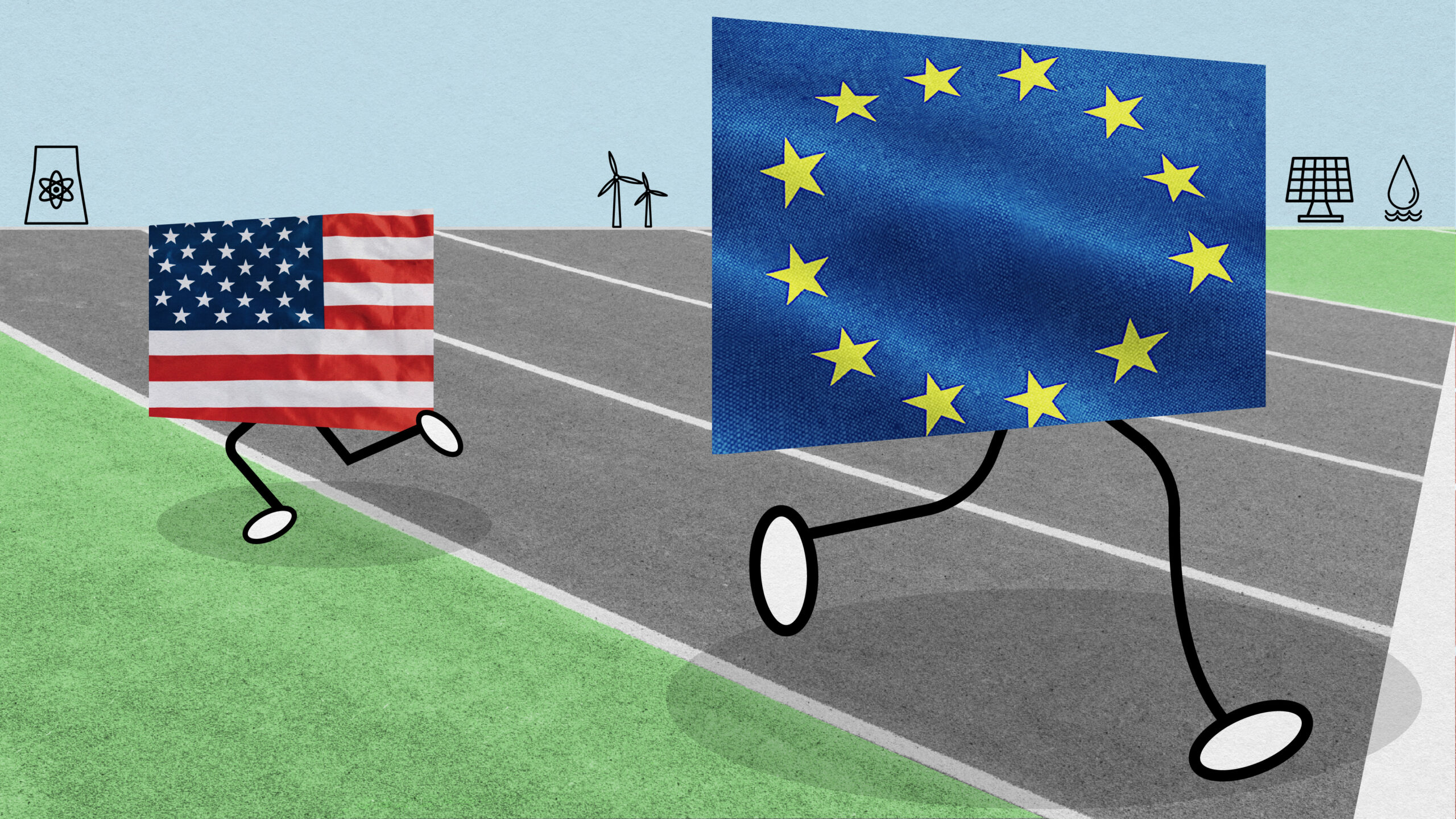
BRUSSELS — Europe is shifting into higher gear in the global cleantech race as the United States is pressing the brakes.
It’s a step change that appeared improbable just a few years ago, highlighting the rapidly shifting world order under climate-skeptic U.S. President Donald Trump.
The European Commission, the European Union’s executive arm, unveiled a plan last week that seeks to boost the bloc’s competitiveness by shoring up domestic cleantech manufacturing and propping up its struggling industrial sector.
Meanwhile, across the Atlantic, Trump has encouraged fossil fuel investments and frozen federal spending for clean energy and climate solutions. And Congress is preparing to roll back parts of Biden’s signature climate law, the Inflation Reduction Act (IRA), which includes provisions for boosting cleantech manufacturing.
This new transatlantic dynamic could offer Europe the chance to reposition itself over the U.S. as a more attractive destination for cleantech investments.
“When your competitor is shooting itself in the foot, that’s when you need to step up your game,” Thomas Pellerin-Carlin, a French member of the European Parliament from the center-left Socialists and Democrats group who sits on the energy and industry committee, told Cipher. “I cannot change Trump’s policies, but what I can do is seize the opportunity when the U.S. makes a mistake to shore up the European cleantech industry,” he said, speaking generally about the EU effort.
A request for comment to the Trump administration about the new plan was not immediately returned.
Europe’s plan, known as the Clean Industrial Deal, has been one of Commission President Ursula von der Leyen’s key commitments for her second term, which began in December. The deal aims to counter the continent’s industrial decline by leaning into clean energy — investing in reducing emissions from heavy industry, creating a domestic market for low-emission products and accelerating the rollout of clean energy across the bloc to help lower electricity prices long-term.
In the near-term, the Commission plans to mobilize $105 billion (€100 billion), reshuffled from several existing funds, to supercharge clean technology manufacturing. The Commission will follow up with specific legislative proposals and regulatory changes this year and next to put the plan into action.
The key things experts are looking for out of the deal include tweaks to public procurement rules that favor EU-made clean products and create demand for green products, boost the use of financial guarantees to support cleantech deals and simplify state aid rules.
The goal is to ensure “the new kids on the bloc” — which is how climate commissioner Wopke Hoekstra described battery tech and electric vehicle charging infrastructure companies — can grow in the EU.
“These are young new companies, highly dynamic, quick on their feet but also sometimes footloose and offers from other places may seem appealing to them,” Hoekstra told reporters. “We need to make sure these companies stay and strive in the EU.”
The EU’s cleantech sector today presents a mixed picture. Battery manufacturing investments across the bloc have been growing in recent years, according to think tank Bruegel. Germany has the most operational cleantech manufacturing facilities (for solar panels, wind turbines, heat pumps and more), followed by Spain and Italy. Meanwhile, large-scale deployment of clean technologies to reduce greenhouse gas emissions from heavy industry, which is reeling from high energy prices, remains limited — though is “urgently needed,” according to the Bruegel analysis.
Meanwhile, in the U.S., spending announced for several key emerging clean technologies fell sharply last year, as Cipher previously reported, with market forces, lack of infrastructure and political and regulatory uncertainty disrupting the momentum of recent years. Data since Donald Trump’s inauguration is not yet available.
“Clean energy is the key to true energy independence and competitiveness,” said Laurence Tubiana, the CEO of the European Climate Foundation and France’s former climate change ambassador seen as a key architect of the 2015 Paris Climate Agreement. “With the U.S. wavering on cleantech, Europe has an opportunity to lead.”
Europe has been dogged by a growing fear that the bloc’s companies and goods aren’t competitive on the world stage, largely due to energy prices soaring after Russia’s invasion of Ukraine and competition from China. Then in 2022, the generous subsidies under the Biden administration’s IRA threw Europe into a panic to build out its own cleantech sector.
The bloc’s patchwork of insufficient solutions since then reflect the budgetary constraints and complexities of the EU’s large bureaucratic machinery. The Clean Industrial Deal, which the Commission describes as a “transformational business plan,” is a beefed-up response.
“We don’t have something that’s like the IRA, but if we continue doing the good work we’ve been doing in the last years, we might build an IRA from the bottom up, even if it’s with less comms and glitter,” said Pellerin-Carlin. “Brick by brick, we will finally get the cleantech investment house we need.”
Pellerin-Carlin is co-hosting members of the European Parliament committed to scaling up cleantech across Europe on March 5, with Commission President Ursula von der Leyen expected to deliver a keynote speech. Her presence is a sign of the EU executive’s commitment to the sector, Pellerin-Carlin said.
Baptiste Buet, director of European public affairs at EIT InnoEnergy, an early stage cleantech investor co-founded by the EU, said the plan gives Europe a chance to accelerate in the global cleantech race.
“The window of opportunity is maybe short … but overall, it’s an opportunity,” said Buet.
Pellerin-Carlin acknowledged the plan may be coming too late to help many small startups, “but when it comes to having an enabling environment for cleantech, we are getting better.”
He added: “The cleantech race is a not a sprint. For a start-up it’s a sprint, but for the ecosystem we are trying to build, it’s a marathon.”