A reporter tracks climate impacts and solutions in Chile
Reporter's Notebook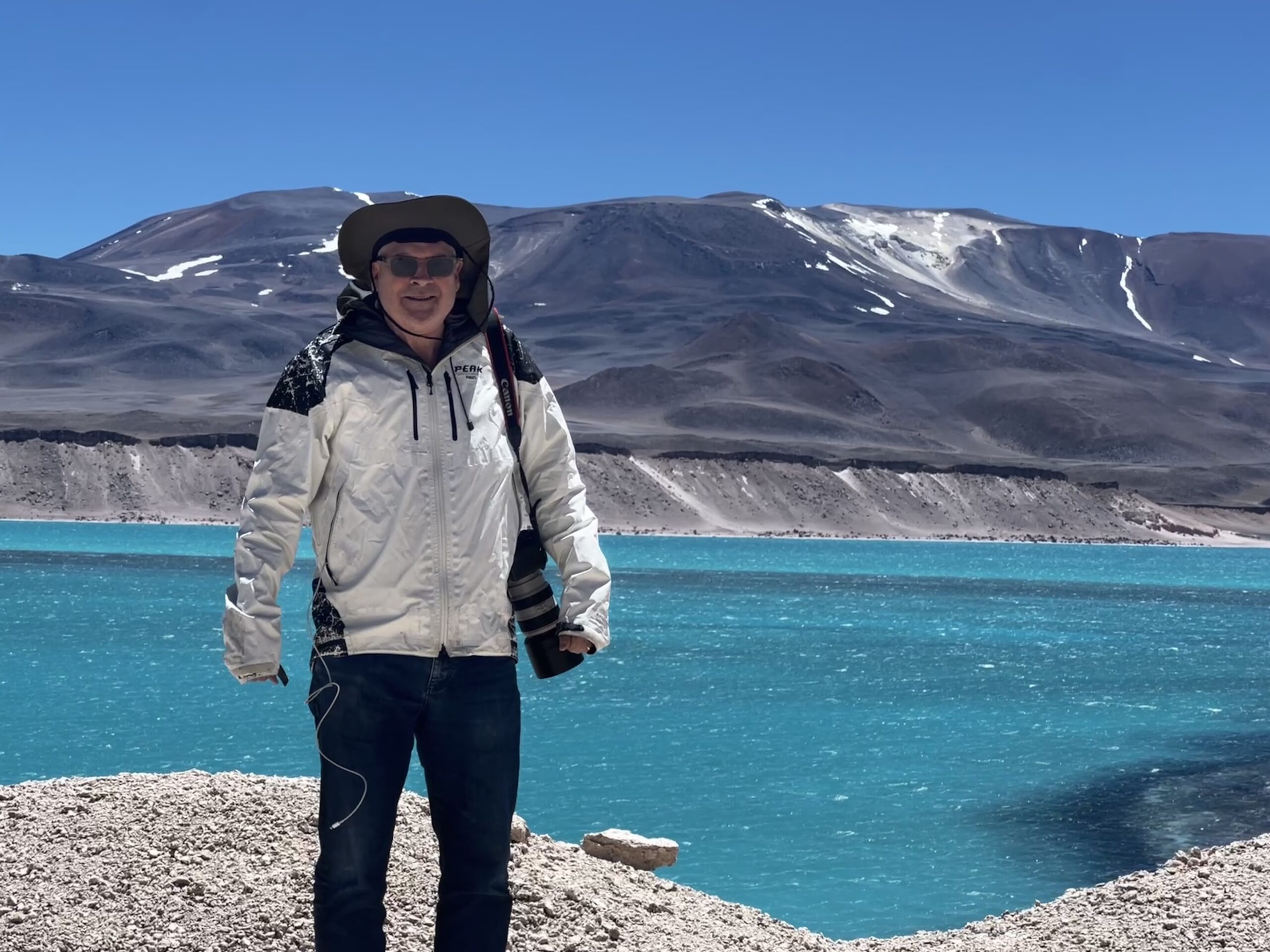
STRAIT OF MAGELLAN, Chile — Having reached the southernmost region of continental South America — by plane, then car and finally on foot — I can testify that Chile is one long, thin country. And the whole slender stretch of it has something to offer the world’s energy transition.
Even with a month of reporting, I saw only a small fraction of the place. Yet between some very long flights, the places I did visit made clear both the stakes of climate change — witness the melting glaciers I looked upon in Patagonia — and how the country can contribute to solutions — consider its plentiful deposits of critical minerals and truly remarkable wind resources. (I also felt the irony of flying — a carbon-intensive mode of transportation — to report important climate stories.)
Eye-popping Andes Mountain vistas appeared even before I arrived, as I surveyed seemingly endless snow-capped peaks from the window of my flight to Santiago, the nation’s capital.
Within a day, I found myself riding in a car ascending more than 14,000 feet into those same mountains to a small salt lake in the Atacama Desert. This desert, which stretches south from the northernmost part of Chile (and sprawls into neighboring Bolivia and Argentina), is one of the world’s truly unique landscapes.
What little precipitation the area gets comes mostly in winter. Then in summer, snowmelt runs down mountainsides into blue lakes and marshy salt flats in valleys formed by volcanos and colliding continental plates.
From the Atacama, I flew south to the city of Concepción along the Pacific coast. Again, the view from the plane was stunning, though this time it was of the Huachipato steel works, a colossal industrial complex that in the end couldn’t compete with cheaper steel from China.
It closed last June, leaving a huge hole in the region’s economy.
Then I was on yet another plane, this time flying further south than I’d ever been before — though still not even close to as far as one can go and still be in this ribbon of a nation.
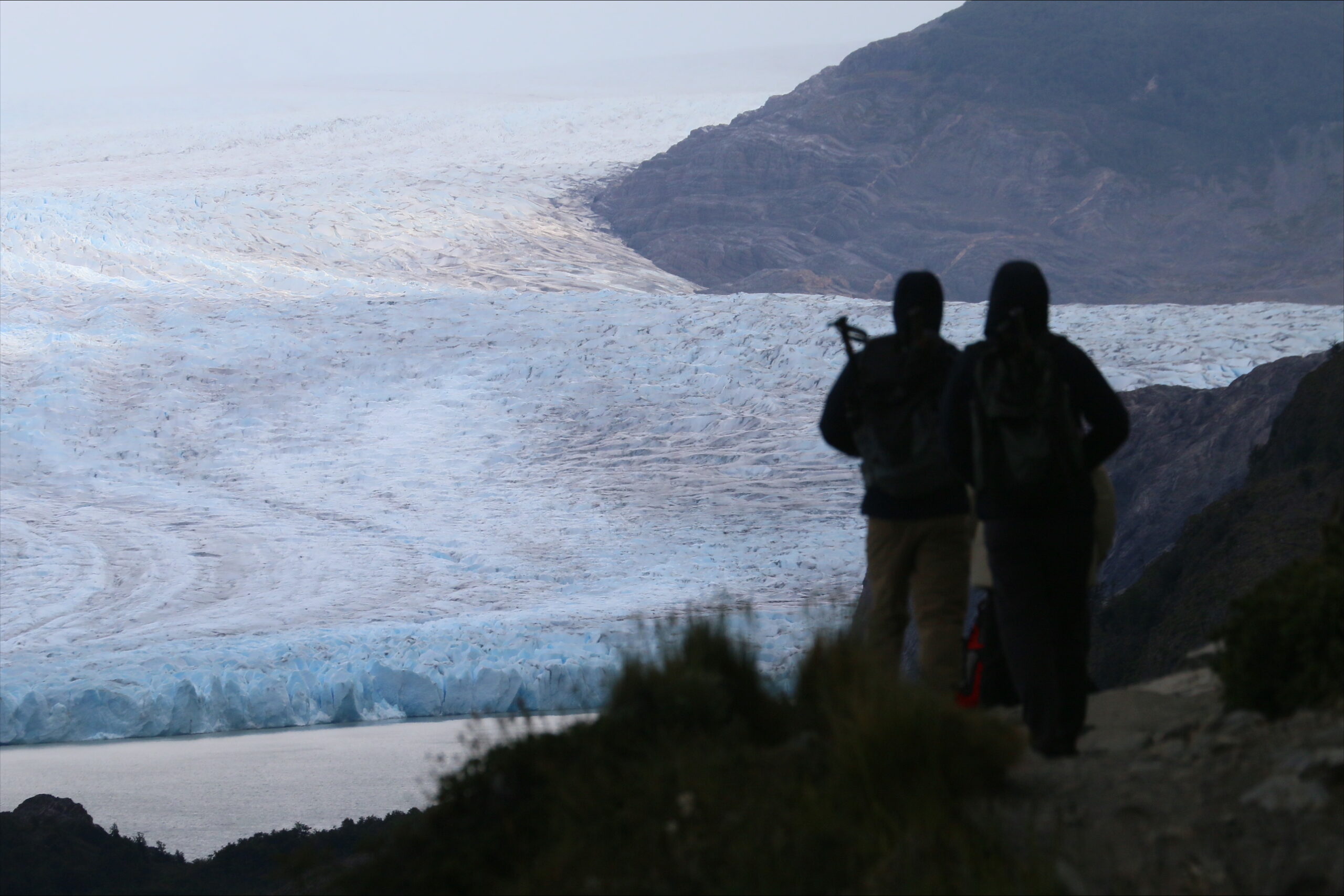
Grey Glacier, part of the Southern Patagonia Ice Sheet, the world’s second largest contiguous ice field outside of the poles.
Here in Patagonia, the winds blew with a pounding consistency like nothing I’d ever experienced. Gusts such as these propelled Ferdinand Magellan from the Atlantic to the Pacific Oceans (and on to the explorer’s eventual death in the Philippines) in 1520, and pushed Sir Ernest Shackleton and the crew of the Endurance to the Antarctic (and an ice-bound nightmare) in 1914.
Today, the winds are propelling a growing number of turbines capable of producing some of the world’s lowest-cost electricity — if ways can be found to actually use it in these remote areas.
My adventures were tame compared to those of others who’ve trekked this way. But I did finish my visit with a week in Torres del Paine National Park, one of the most stunning natural settings I’ve ever seen.
I climbed one day to see the park’s monumental Grey Glacier, part of the southern Patagonian ice field, the second-largest contiguous ice sheet outside of the polar regions. It’s receding at more than 100 meters a year on average, leaving some parts so unstable they’ve been closed to tourism.
We stared out over the mass of ice, seemingly so immobile yet in reality flowing ever more quickly as it melts at a record pace.